


Do We Change When We Switch Languages?
Science Says Yes — and New Norm Sees It Every Day
At New Norm, we process thousands of conversations every month. And one pattern keeps appearing in our reporting system: people naturally speak to New Norm in many different languages.
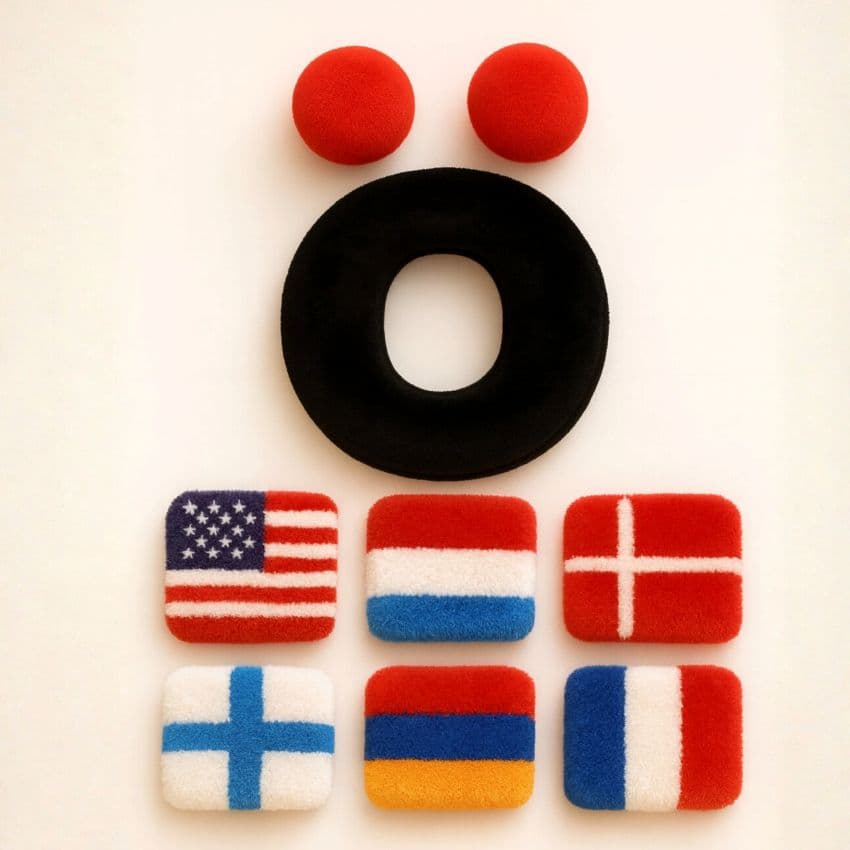
Recently, the most common languages inside New Norm were English, Dutch, Armenian, Finnish, Danish, and French. What’s fascinating is that most users don’t even realize New Norm understands all of them. They simply start talking in the language that feels natural — and New Norm adapts instantly.
But this behaviour is not random.
It’s deeply connected to how the brain works.
How Language Shapes Your Emotions and Thinking
Research in psycholinguistics and cognitive science shows that switching languages also shifts how we think, feel, and express ourselves. Not a different personality — just a different mode of the same mind.
Here’s what science confirms:
- Native language = stronger emotional activation
- Second languages = more logic and regulation
- Cultural tone shapes your behaviour
- English – direct, expressive
- Dutch – concise, structured
- Armenian – warm, relational
- Finnish – calm, minimalistic
- Danish – balanced, understated
- French – nuanced, articulate
- Memories depend on language
Your mother tongue triggers deeper emotional responses and more access to feelings. This is connected to the amygdala — the brain’s emotional processing center.
When speaking a second or third language, people often become more rational, structured, and emotionally distanced.
This can help with clarity, problem-solving, and decision-making.
Each language carries its own cultural rhythm:
Without noticing, we match the cultural tone of the language we use.
People access different emotional memories depending on the language those experiences were encoded in.
This influences the depth and direction of a conversation.
How New Norm Uses This Knowledge to Improve Clarity
New Norm already speaks whichever language you start with. No settings, no instructions — just natural adaptation.
But because language influences emotional depth and clarity, we are now exploring the best way to gently suggest switching to your native language when it might help you understand yourself better.
This must be done with care. We never want to interrupt or make people feel judged.
Our goal is simple:
support the version of your mind that brings the most clarity.
Whether you think more clearly in English or feel more deeply in your native tongue, New Norm is here to follow your rhythm.
A Global Thinking and Therapy Space
Every day, people from different countries come to New Norm to think, reflect, and process their emotions in their own language. This global mix shows something beautiful:
Human minds differ — but clarity is universal.
And whichever language you choose, New Norm is here to meet you there.